
Marketing
Mastering Analytics & Instrumentation: Billing-Optimized Event Tracking for Founders
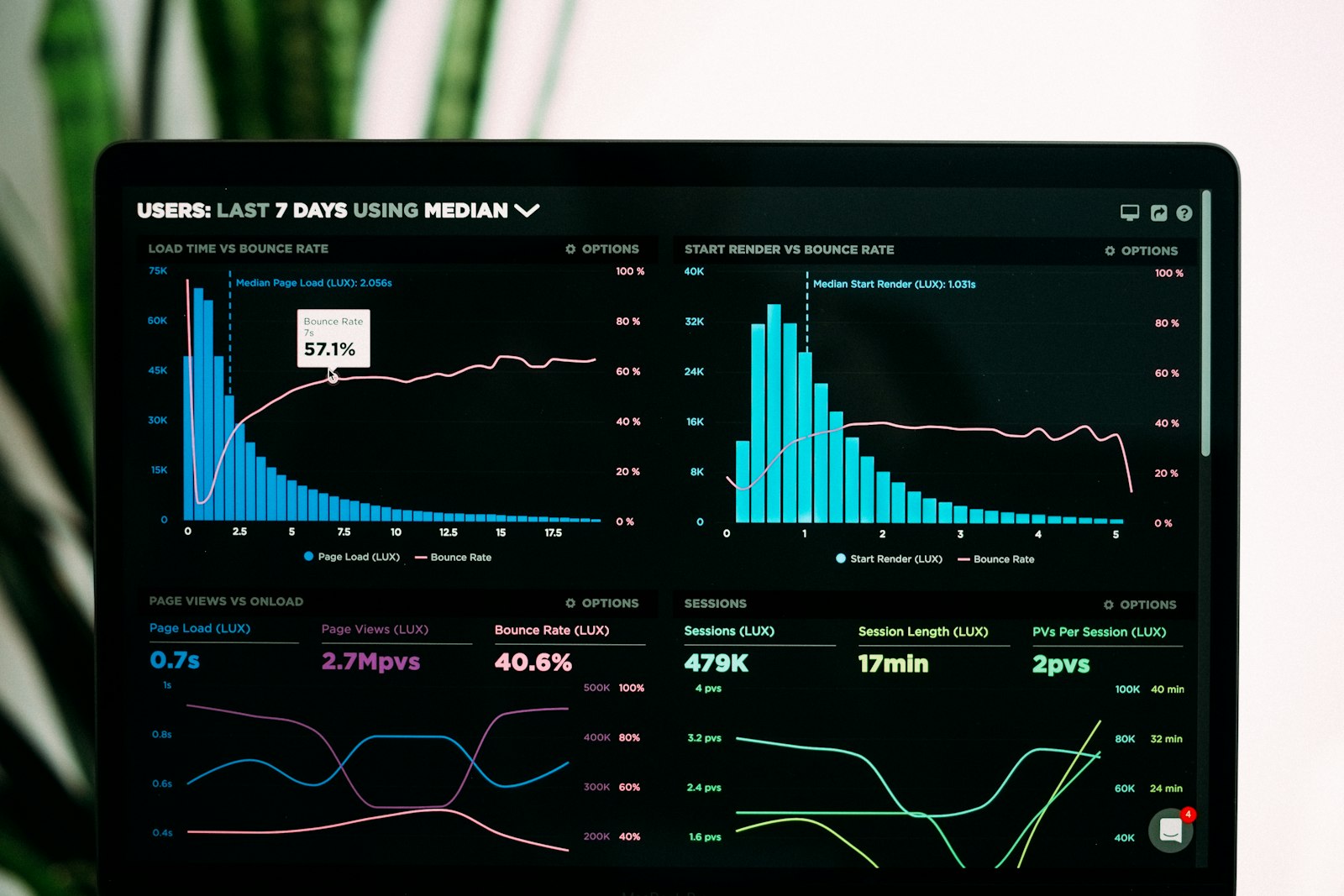
Launching a startup involves a myriad of decisions, especially in terms of analytics and instrumentation. For early-stage founders, understanding how to align event tracking with billing strategies is crucial. This guide demystifies the process, helping you avoid common pitfalls and set up a system that supports your growth.
Understanding Analytics and Instrumentation
Before diving into specifics, let's clarify what analytics and instrumentation mean in the context of a startup.
- Analytics: This refers to collecting, measuring, and analyzing data to understand user behavior and product performance.
- Instrumentation: The setup and configuration of tools that collect these data points, often through events.
The ultimate goal is to ensure that your analytics setup supports how you bill customers, providing insights into usage patterns and revenue opportunities.
Key Steps to Align Event Tracking with Billing
1. Define Your Billing Model
Your billing model directly influences which events you should track. Common models include:
- Subscription: Track renewal, cancellation, and upgrade events.
- Usage-Based: Monitor usage thresholds to trigger billing.
- One-Time Purchase: Track purchase completion and refund requests.
2. Map Out Customer Journeys
Understanding your customer journey is essential for effective event tracking:
- Awareness: Track initial interactions like ad clicks or website visits.
- Consideration: Monitor engagement with content or product demos.
- Decision: Capture conversion events such as sign-ups or purchases.
- Retention: Follow up on re-engagement through emails or feature usage.
3. Choose the Right Tools
Selecting the appropriate tools is pivotal. Popular options include:
- Google Analytics: Great for web traffic and conversion tracking.
- Mixpanel: Ideal for product analytics and user engagement.
- Amplitude: Offers robust behavioral analytics.
- Segment: Connects multiple data sources for comprehensive insights.
| Tool | Best For | Price Range |
|---|---|---|
| Google Analytics | Conversion tracking | Free |
| Mixpanel | User engagement | Free to $999+/mo |
| Amplitude | Behavioral analytics | Free to $995+/mo |
| Segment | Data integration | Free to $120/mo |
4. Implement Event Tracking
Once your tools are selected, move on to implementing event tracking. Here's a checklist:
- Identify Key Metrics: Determine which metrics align with your billing model.
- Set Up Events: Use naming conventions that clarify the event's purpose.
- Test and Validate: Ensure events are firing correctly and data is accurate.
5. Analyze and Iterate
Regular analysis and iteration on your tracking setup can lead to improved business decisions:
- Review Dashboards: Regularly check dashboards for anomalies or trends.
- A/B Testing: Use insights to test changes and improve conversion rates.
- Feedback Loop: Implement a feedback loop to refine your events and metrics.
LaunchQX takeaway: Understanding your billing model is the first critical step toward effective analytics instrumentation. It shapes which events are crucial to track.
Common Mistakes and How to Avoid Them
Mistake 1: Overcomplicating Event Tracking
- Solution: Start simple. Focus on high-impact events that align with your billing model.
Mistake 2: Ignoring Data Privacy
- Solution: Ensure compliance with data protection laws like GDPR or CCPA.
Mistake 3: Failing to Align Teams
- Solution: Keep communication open between technical and non-technical teams to ensure everyone understands the analytics strategy.
LaunchQX takeaway: Keep your analytics setup simple and privacy-compliant. Align all teams to avoid miscommunication and inefficiencies.
FAQ
1. What is the best analytics tool for startups?
It depends on your needs. Google Analytics is a solid starting point for web traffic, while Mixpanel and Amplitude offer deeper insights into user behavior.
2. How do I ensure data privacy in analytics?
Implement data protection measures like anonymization and comply with relevant laws such as GDPR or CCPA.
3. Why should my event tracking align with billing?
Aligning with billing ensures that you capture the most relevant data, which can directly inform revenue-generating decisions.
4. How often should I review my analytics setup?
Regular reviews, at least quarterly, are recommended to ensure your setup remains aligned with business goals.
5. What is the role of a customer journey in analytics?
Mapping out the customer journey helps identify which events are critical to track and can highlight areas for improvement.
Key Takeaways
- Define your billing model to determine which events to track.
- Map out customer journeys to understand user behavior.
- Choose the right tools for your analytics and instrumentation needs.
- Implement a clear, simple event tracking system.
- Regularly analyze data for insights and improvements.
- Avoid common mistakes like overcomplicating setups and ignoring data privacy.
How this fits the rest of LaunchQX
- Legal & entity: Make informed decisions on entity setup to align with your billing strategy.
- Product & cloud: Use our production scaffold to implement your analytics tools efficiently.
- Brand & web: Ensure your brand messaging aligns with data-informed insights.
- Growth: Combine analytics with paid search setups for optimized user acquisition.
- Operations: Streamline workflows and documentation with analytics-driven insights.
Next steps
- Define your billing model and key metrics.
- Map out your customer journey.
- Choose and set up appropriate analytics tools.
- Implement and test event tracking.
- Regularly review and iterate on your analytics setup.
- Ensure compliance with data privacy laws.